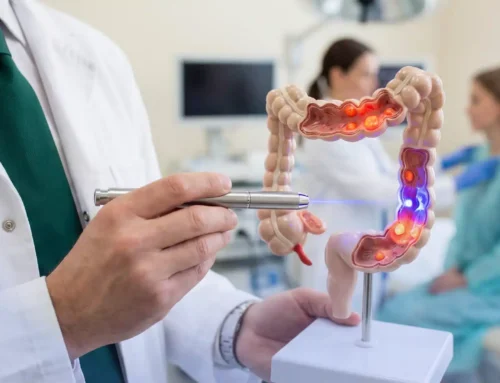

Gastro Health For Kids provides evidence-based guidance for families navigating inflammatory bowel disease (IBD) in children. This article focuses on the primary goal of long-term IBD care for children in North Georgia and explains how sustained, coordinated care supports healthy growth, development, and quality of life. IBD in children includes conditions such as Crohn’s disease and ulcerative colitis, which can impact appetite, digestion, nutrient absorption, and growth. A thoughtful, long-term care plan helps families manage symptoms, monitor development, and pursue a normal, active childhood.
Understanding Pediatric IBD and Long-Term Care
Pediatric IBD requires ongoing management rather than a one-time treatment. The objective is to reduce and control intestinal inflammation, promote growth and puberty, and minimize treatment-related side effects. Children who achieve and maintain clinical remission often experience fewer symptoms and better nutrient absorption, which supports weight gain and height progress. In some cases, endoscopic healing (inflammation in the gut lining seen on procedures) is pursued because it’s associated with more durable long-term outcomes. Regular assessments—growth measurements, laboratory tests, nutritional evaluations, and psychosocial check-ins—form the backbone of long-term IBD care for children in North Georgia. Early, proactive care aims to prevent complications and safeguard a child’s overall development.
Core Goals of Long-Term IBD Care for Children
- Maintain remission and reduce symptoms: Effective treatment plans strive to keep the disease quiet, allowing normal activity, school participation, and social interaction.
- Support growth and developmental milestones: Inflammation can hinder growth. A long-term care approach emphasizes catch-up growth, healthy weight gain, and timely puberty through nutrition and appropriate therapies.
- Minimize long-term treatment risks: Pediatric teams work to limit exposure to steroids and use steroid-sparing therapies when possible, balancing disease control with potential side effects.
- Preserve bone health and nutrition: Chronic IBD can affect bone density and nutrient status. Nutrition optimization, vitamin D and calcium considerations, and individualized meal plans are common components.
- Address psychosocial well-being and school life: Mental health, peer relationships, and school accommodations are integrated into care to improve overall quality of life.
- Coordinate care across specialists: Multidisciplinary teams—including pediatric gastroenterologists, nurses, dietitians, and social workers—coordinate to support medical treatment, nutrition, schooling, and family needs.
- Prepare for transition to adulthood: As children age, plans for transitioning to adult gastroenterology services are discussed to maintain continuity of care.
Caring for Growth, Nutrition, and Development
Nutrition plays a central role in long-term IBD care for children in North Georgia. Some children benefit from specialized nutrition strategies, such as exclusive enteral nutrition (EEN), which can induce remission in Crohn’s disease for many pediatric patients. When appropriate, dietitians tailor plans to support energy needs, growth velocity, and nutrient adequacy while respecting food preferences and cultural considerations. Ongoing monitoring includes growth charts, appetite and weight trends, and labs that assess anemia, iron status, and inflammatory markers. A child’s height, weight, and Tanner stage are tracked to ensure healthy development alongside disease control.
Accessing Regional Care in North Georgia
In North Georgia, families typically have access to pediatric gastroenterology clinics through regional hospitals, academic medical centers, or private practices with pediatric GI expertise. Many communities offer telemedicine options to support families who live farther from specialty centers. A comprehensive care plan often includes nutrition support, vaccination planning, and school coordination to minimize disruptions to learning. If you are seeking long-term IBD care for children in North Georgia, talk with a pediatric gastroenterologist about individualized therapies, monitoring schedules, and supportive services.
Practical Tips for Families
- Keep a symptom and growth diary, noting stools, abdominal pain, energy levels, and weight changes.
- Schedule regular follow-ups and adhere to prescribed medications; discuss concerns or side effects promptly.
- Work with a dietitian to ensure nutrient-dense meals that support growth and activity.
- Develop a school plan that accommodates digestion-related needs and energy fluctuations.
- Discuss vaccination status and infection risks with your medical team.
- Plan for transitions to adult care during adolescence with guidance from your pediatric GI team.
The primary goal of long-term IBD care for children in North Georgia is to achieve and maintain disease control while supporting growth, nutrition, and healthy development. A coordinated, multidisciplinary approach helps children live active, fulfilling lives despite IBD. If you’re seeking long-term IBD care for children in North Georgia, consult a pediatric gastroenterology team to create a tailored plan that emphasizes remission, growth, and quality of life. Gastro Health For Kids can help guide you through the next steps and connect you with experienced pediatric specialists for your family.